
Preparing the Workspace for Autumn: A Checklist for Corporate Office Managers
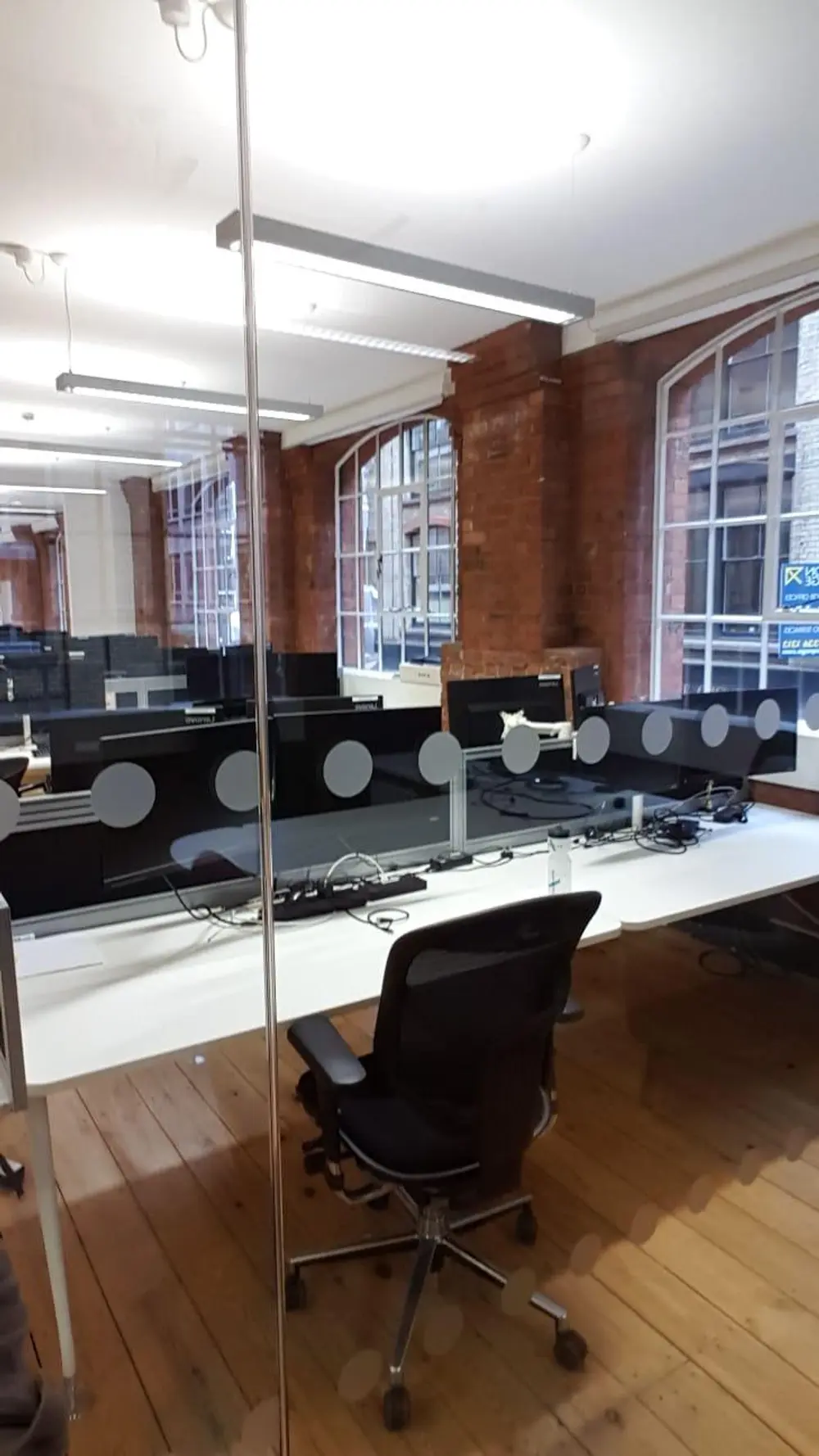
UK sickness absence reached 148.8 million working days lost in 2025, an absence rate of 2.0% and an average of 4.4 days lost per worker (ONS, "Sickness Absence in the UK Labour Market," 2025). Separately, employer-reported absence hit 9.4 days per employee in 2025 — the highest level in over a decade, up from 7.8 days in 2023 and 5.8 days pre-pandemic, with minor illnesses like colds and flu cited by 78% of employers as the leading cause of short-term absence (CIPD & Simplyhealth, "Health and Wellbeing at Work," 2025). At the same time, UK office occupancy has climbed to a record post-pandemic high of 44.1% (Remit Consulting, February 2026) — more people, in more crowded offices, walking straight into cold and flu season. That combination is exactly why autumn is the point in the year a workspace reset earns its keep.
Key Takeaways
- UK employer-reported absence hit a decade-high 9.4 days per employee in 2025, with colds and flu cited as the top short-term cause by 78% of employers.
- UK office occupancy reached a record post-pandemic high of 44.1% in early 2026, with some sectors moving back to five-day mandates — more density means more exposure through the same touchpoints.
- Controlled research from Harvard's T.H. Chan School of Public Health links enhanced ventilation and green-certified buildings to significantly higher cognitive test scores and fewer sick-building symptoms.
- An autumn reset needs three tracks running together: desks and workstations, shared touchpoints, and HVAC/ventilation — treating any one in isolation leaves the other two undone.
Why Autumn Is the Inflection Point for Office Cleaning Standards
Absence doesn't rise evenly across the year — it concentrates around the colder months, and 2025's 9.4-day average is the highest recorded in over a decade, up from 5.8 days pre-pandemic. Colds and flu are the single largest driver of short-term absence, named by 78% of UK employers as their leading cause. Layer that onto record office occupancy — 44.1% in early 2026, with banking and some other sectors mandating a full five-day return — and the exposure surface for those illnesses is larger than it's been at any point since before the pandemic.
None of this is really about a single deep clean. It's about resetting the baseline standard — desks, shared touchpoints and the air itself — before the season that puts the most pressure on it.
The Air Quality Case for a Proper Autumn HVAC Reset
It's not just surfaces. Controlled exposure research from Harvard's T.H. Chan School of Public Health found office workers scored 101% higher on cognitive function tests in buildings with enhanced ventilation compared with conventional buildings, and a follow-up study across 10 buildings in 5 US cities found green-certified buildings associated with 26% higher cognitive scores, fewer sick-building symptoms and better sleep (Harvard T.H. Chan School of Public Health, Healthy Buildings Program). Elevated indoor CO2 is a known factor in that gap — it's linked to headaches, fatigue and measurable cognitive decline at the concentrations offices can reach when ventilation is neglected. Autumn is exactly when that risk grows: buildings get sealed up for heat conservation just as HVAC systems start running harder, and neither is a reason to let fresh-air circulation slide. Filter checks, vent cleaning and a "fire it up early" test of heating systems — done before full winter demand hits — catch failures while there's still time to fix them, not once the building's already cold.
The Gap Between What's Provided and What Staff Actually Do
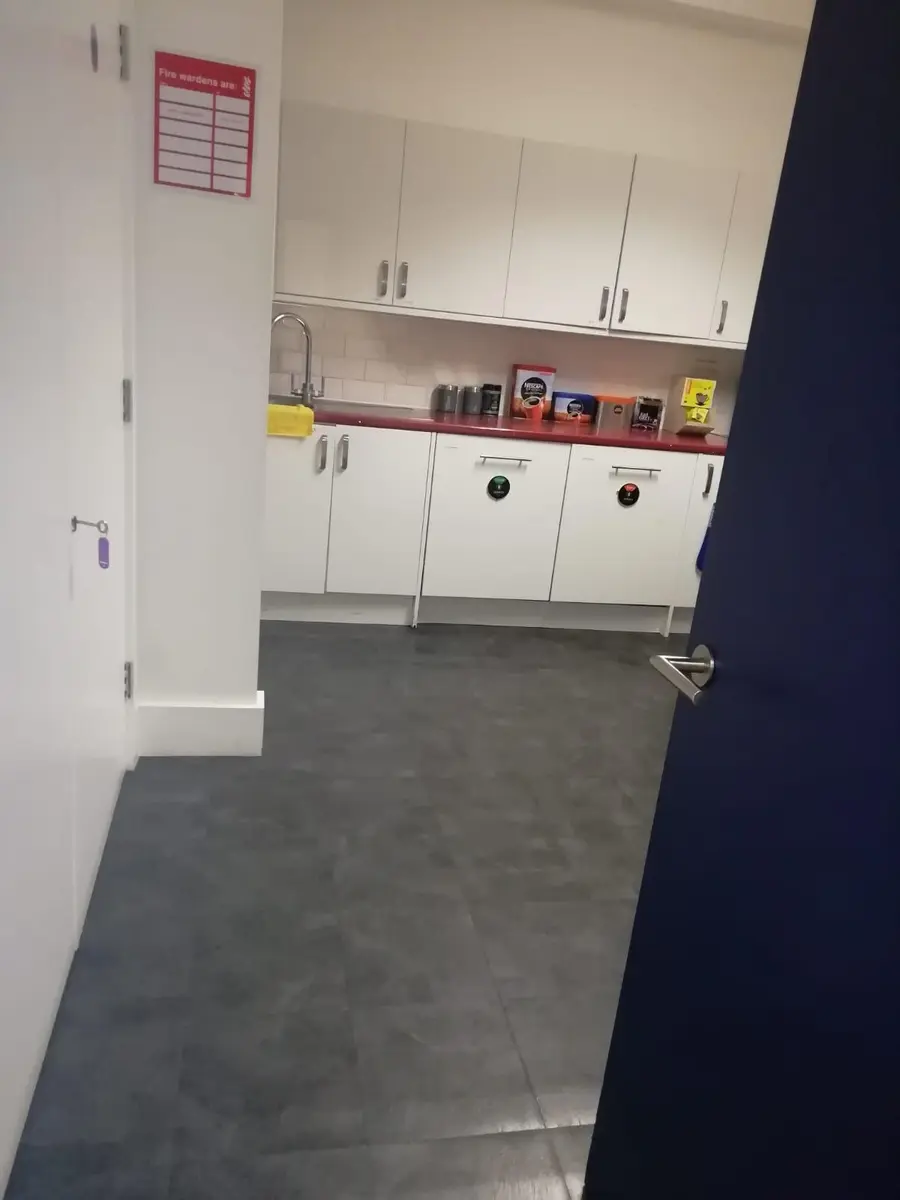
UK workplace hygiene survey data shows 74% of workplaces already receive daily or multiple-daily professional cleaning, and 83% of employees rate their workplace hygiene as effective — but only around 30% of employees rarely or never clean their own desk, and just 31% consistently sanitise their hands after using shared equipment (Cartridge People workplace hygiene survey, via HR News). That gap is the argument for scheduled, provider-led cleaning of shared touchpoints rather than relying on staff habits to fill it — the printer, the kettle and the meeting room table don't get cleaner because a policy says they should.
The Autumn Workspace Checklist
Use this as your master scope for the seasonal reset, then adapt frequency to your own occupancy pattern and floor layout.
Desks & Workstations
Shared Touchpoints & Breakout Areas
Ventilation & HVAC
Meeting Rooms & Communal Spaces
Scheduling the Reset Around a Fuller Working Week
Plan around a fuller week, not just Monday and Friday quiet days
UK office occupancy hit a record post-pandemic high of 44.1% in early 2026, and some sectors — banking among them — are now mandating five days in-office rather than hybrid. A cleaning schedule built around historically quiet mid-week gaps needs revisiting if your floors are busier across more of the week than they used to be.
Treat cold and flu season as a scheduling input, not an emergency response
78% of UK employers cite minor illnesses like colds and flu as the leading cause of short-term staff absence. Scheduling higher-frequency touchpoint disinfection through autumn and winter, rather than reacting once an outbreak has already moved through a floor, is what actually shifts that number.
Coordinate HVAC prep with your cleaning provider, not in isolation
Filter changes, vent cleaning and ventilation checks land more effectively when they’re sequenced with a deep clean of the same spaces — one visit disturbs dust and resets air quality together, rather than two separate visits partially undoing each other’s work.
Document the reset for facilities reporting
A dated, itemised record of what was deep cleaned and when — desks, touchpoints, ventilation — gives facilities managers something concrete to point to if sickness absence or air quality is ever raised at board level.
Klean Touch provides commercial office cleaning across London, including out-of-hours and early-morning slots built around your floor's actual occupancy pattern, with scheduled touchpoint disinfection, seasonal deep cleans and coordination with your facilities or HVAC contractor for ventilation-linked visits — with timestamped photo-log evidence for every clean.
Planning your autumn workspace reset?
See our full office cleaning service, coverage areas and inspection standards.
Frequently Asked Questions
How often should offices be professionally cleaned during cold and flu season? ↓
High-touch points — door handles, light switches, kitchen surfaces, shared equipment — should be disinfected daily through autumn and winter, with desks and workstations deep cleaned on a more frequent rota than in summer months. UK employers cite minor illnesses as the leading cause of short-term absence, so increasing touchpoint frequency through the season is a scheduling decision worth making proactively rather than after an outbreak moves through a floor.
Does office air quality actually affect staff productivity and sick days? ↓
Yes — controlled research from Harvard’s T.H. Chan School of Public Health found office workers scored significantly higher on cognitive function tests in buildings with enhanced ventilation compared with conventional buildings, with a follow-up study linking green-certified buildings to fewer sick-building symptoms and better sleep. Elevated indoor CO2 levels are separately linked to headaches, fatigue and measurable cognitive decline, which is why HVAC and ventilation prep is as much a productivity issue as a comfort one heading into autumn.
Is providing hand sanitiser enough, or does cleaning frequency matter more? ↓
Both matter, but availability alone doesn’t close the gap — UK survey data shows only around a third of employees consistently sanitise hands after using shared equipment, even where sanitiser is provided. Scheduled disinfection of shared touchpoints (printers, kitchen equipment, meeting room furniture) reduces risk independently of individual staff habits, which is why it shouldn’t be the only line of defence.
Should office cleaning schedules change now that occupancy is back near pre-pandemic highs? ↓
Yes. UK office occupancy reached a record post-pandemic high of 44.1% in early 2026, and some sectors are moving back to five-day in-office mandates. A cleaning schedule still built around the quieter, more hybrid patterns of recent years is likely under-serving a floor that’s now busier across more of the week — it’s worth reviewing frequency and timing against current occupancy data, not last year’s.
Related Reading
Book your autumn reset survey
Get a free site survey and an itemised proposal built around your floor's occupancy and shift pattern.