
Legionella in Gym Showers: Who Does What, and Where Cleaning Fits
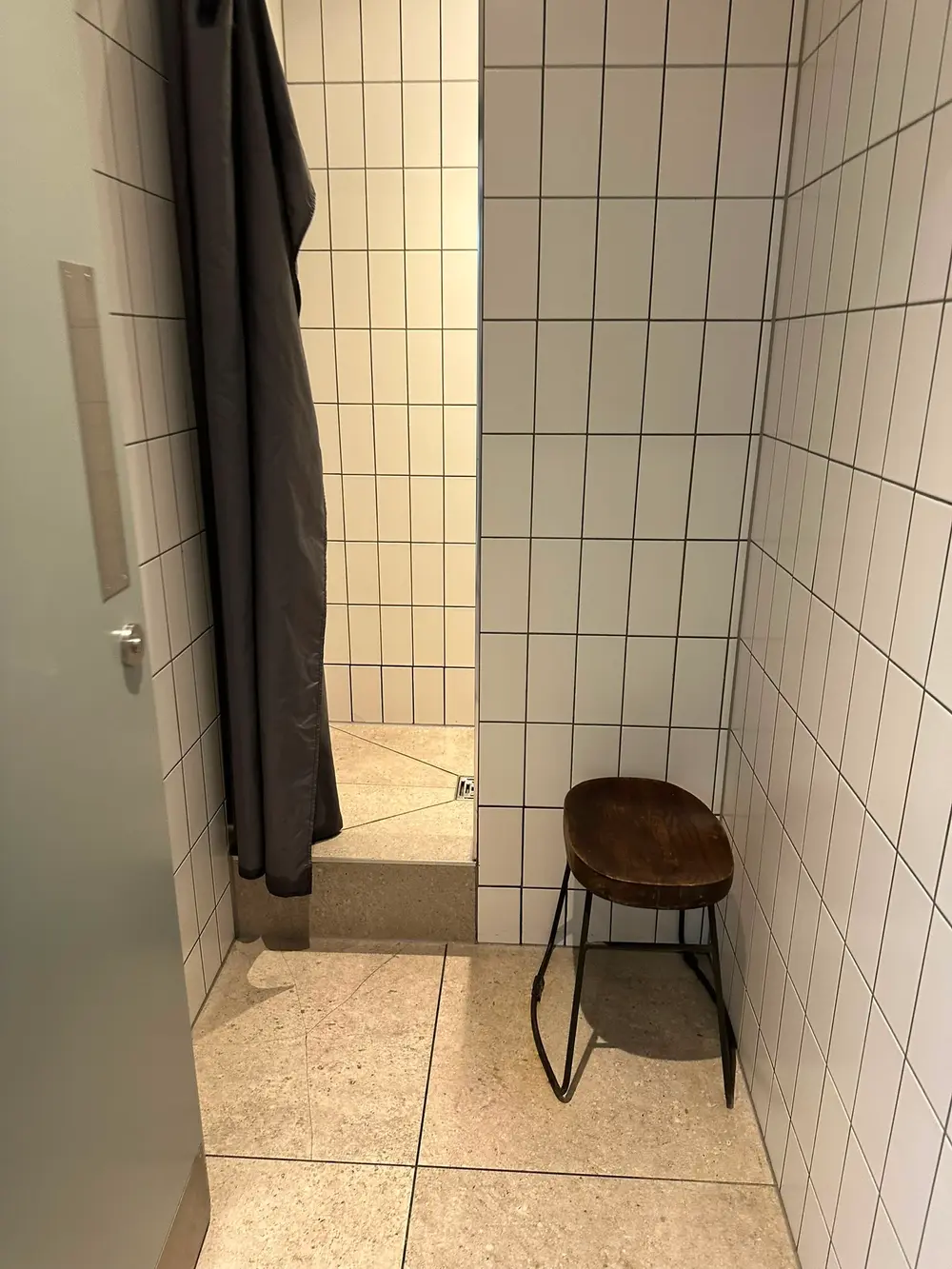
Gym showers are a textbook legionella risk: warm water, intermittent use, shower heads that collect scale, and pipework where water can sit between busy periods. The legal duty to control that risk sits with whoever runs the premises, and a cleaning contract does not move it. What a good cleaning routine can do is take care of the visible, physical side of water hygiene and give you a dated record of it. This guide sets out who is responsible for what, and where cleaning fits.
Key Takeaways
- The duty holder, normally the employer or the person in control of the premises, is responsible for assessing and controlling legionella risk under the Health and Safety at Work etc. Act 1974 and the COSHH Regulations 2002.
- HSE’s Approved Code of Practice L8 is not a standalone law, but it has special legal status, and the detailed technical guidance is in HSG274 Part 2.
- HSE’s guidance expects little-used outlets to be used at least weekly, and shower heads and hoses are commonly summarised as needing cleaning and descaling at least quarterly or as the risk assessment indicates.
- A cleaning contractor can clean and descale accessible fittings and report problems. Risk assessment, temperature monitoring, sampling and disinfection need a competent water hygiene provider.
Need a gym cleaning contractor? Klean Touch provides gym cleaning in London with a written scope for showers and wet areas and a timestamped photo report after every visit.
Gym cleaning London →Who Holds the Legal Duty
Under the Health and Safety at Work etc. Act 1974 and the Control of Substances Hazardous to Health Regulations 2002, employers and those in control of premises must assess and control the risk from legionella bacteria. HSE’s Approved Code of Practice, L8, explains how. It is not a standalone law, but it has special legal status: following it is generally treated as meeting your legal duties, and you can take another route if you can show it is as effective (HSE, ACOP L8).
In practice that means the gym operator, or whoever controls the building in a leased or managed site, needs a suitable and sufficient risk assessment carried out by a competent person, a written scheme of control measures, and records. Appointing a contractor to carry out parts of that scheme is fine, but the duty itself stays with the duty holder. If the lease or management agreement does not say who holds the duty for the showers, settle it in writing.
What the operator has to cover
What HSE Guidance Says About Showers and Little-Used Outlets
HSE’s published guidance for hot and cold water systems makes three points that matter most in a gym. First, outlets should be used at least once a week, so showers and taps that sit idle need flushing on a regular routine, and the routine should be recorded. Second, hot water should be stored hot, with HSE’s guidance describing storage at 60°C and distribution kept hot, and cold water kept cold, so the water is not left in the temperature range where bacteria multiply (HSE, legionella guidance for landlords). Third, shower heads and hoses need regular cleaning and descaling.
The interval for shower heads and hoses is commonly summarised as at least every three months, or more often depending on the risk assessment and how quickly they foul, with heads and hoses replaced where they cannot be cleaned effectively. The detailed wording is in HSG274 Part 2, so confirm the current text and let your competent person set the interval for your site (HSE, Legionnaires’ disease).
Where a Cleaning Contractor Fits
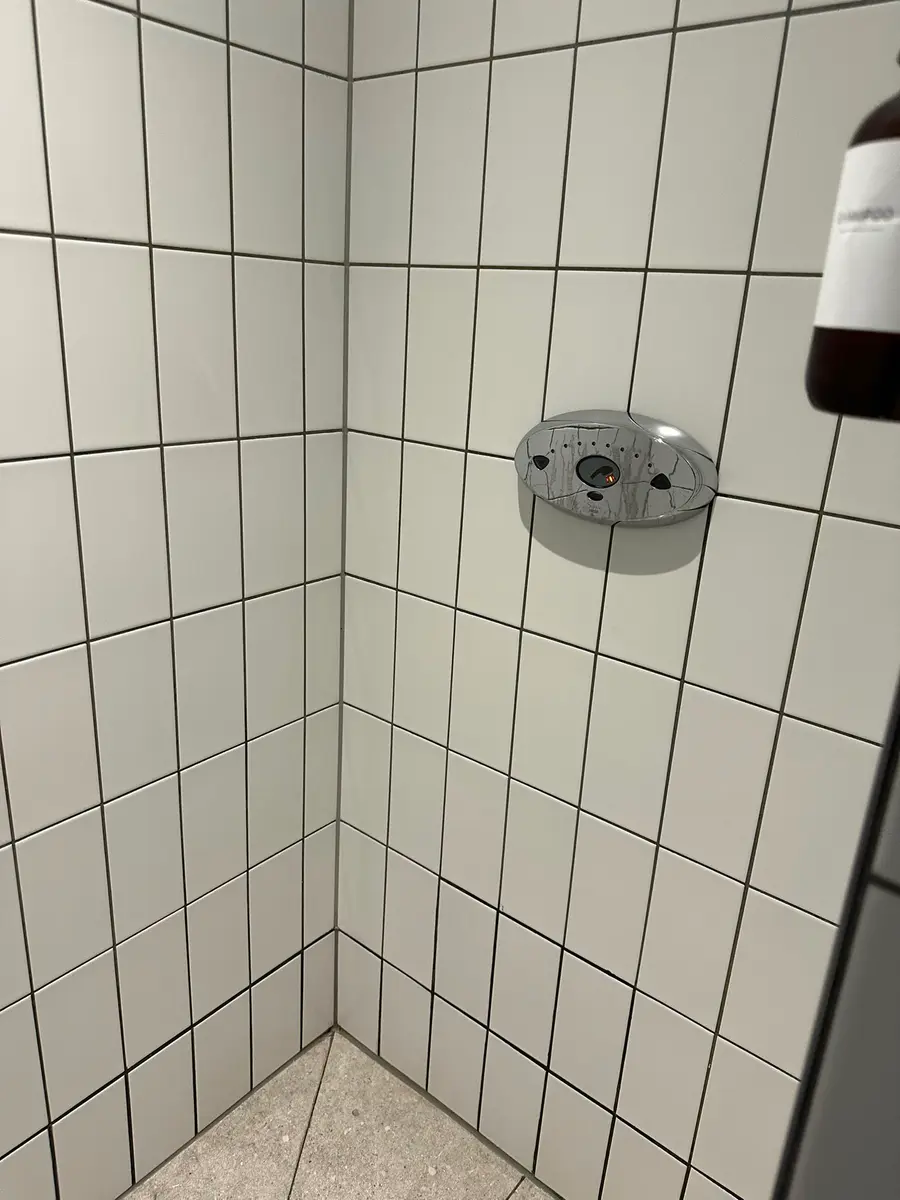
Cleaning supports water hygiene on the physical side. Scale, sediment, soap residue and hair give bacteria somewhere to live, and a shower head that has not been cleaned for months is part of the problem. A cleaning contractor can take that off your hands on an agreed schedule, provided the schedule matches your risk assessment and the scope is written down.
What a cleaning contractor can do
What needs a competent water hygiene provider instead
Klean Touch cleans gyms and health clubs in London and scopes shower and wet-area cleaning at a free site survey. We do not carry out legionella risk assessments, water sampling or water treatment, and we will tell you where a task belongs with a water hygiene specialist. The cleaning schedule we agree is meant to slot into your written scheme, so your records show the cleaning tasks next to the water-system checks.
Want shower cleaning written into a clear schedule?
See our gym and fitness facility cleaning service, coverage areas and how we document every visit.
Frequently Asked Questions
Who is responsible for legionella control in a gym or health club? ↓
The duty holder, who is normally the employer or the person in control of the premises. In a leased gym, who holds the duty can depend on the lease and the management arrangements, so it should be made explicit in writing. The duty holder must make sure the risk is assessed and controlled, and can appoint a competent person or contractor to help, but the legal responsibility is not handed over by doing so.
Is ACOP L8 a legal requirement? ↓
ACOP L8 is an Approved Code of Practice. It is not a standalone law, but it has special legal status: if you follow it you are likely to be treated as meeting the relevant duties under the Health and Safety at Work etc. Act 1974 and the COSHH Regulations 2002, and if you take a different route you need to show it is equally effective. The detailed technical guidance sits in HSE’s HSG274 Part 2, which covers hot and cold water systems.
How often should gym shower heads be cleaned and descaled? ↓
HSE’s technical guidance is commonly summarised as cleaning and descaling shower heads and hoses at least quarterly, or more often where the risk assessment or the rate of fouling indicates, and replacing them where they cannot be cleaned effectively. Your own risk assessment sets the actual interval for your site, so check the current text of HSG274 Part 2 and ask your competent person to confirm the schedule.
Do showers that are rarely used need anything special? ↓
Yes. Little-used outlets are a recognised risk because water sits in the pipework. HSE’s guidance says outlets on hot and cold water systems should be used at least once a week, which in practice means flushing showers and taps that are not in regular use, and keeping a record of it. This is a water-system task for your competent person or trained staff, not a cleaning-visit task, unless it is clearly written into the scope.
Can our cleaning contractor do the legionella risk assessment? ↓
Not unless that contractor is a competent water hygiene provider. A commercial cleaning company can clean and descale accessible fittings, keep wet areas hygienic and report problems, but the risk assessment, temperature monitoring, sampling and any chemical disinfection should be done by someone competent in water hygiene. Klean Touch does not carry out risk assessments, sampling or water treatment.
What records should a gym keep for shower cleaning? ↓
Keep the risk assessment, the written scheme, and a log of the control tasks carried out, including who did them and when. A dated, itemised cleaning record, such as a visit checklist with timestamped photos, supports that log for the cleaning tasks in your scheme. It does not replace the water-system checks your competent person carries out.
Does cleaning stop legionella? ↓
Cleaning reduces the conditions that help bacteria grow, such as scale, sediment and biofilm on fittings, but it is one control measure within a wider water-safety regime. Temperature control, flushing and a current risk assessment matter just as much, which is why the cleaning schedule should sit inside your written scheme and not replace it.
This guide is general information, not legal or water-safety advice. Check the current HSE guidance and speak to a competent water hygiene provider about your own premises.
Related Reading
Book a gym cleaning site survey
Get a free site survey and a written scope for your showers and wet areas, built around your opening hours.